Private debt has become an essential financing tool for businesses, particularly SMEs and mid-sized companies, seeking alternatives to traditional bank financing. This trend has been amplified by regulatory changes and the current economic climate. In this article, we will analyze the historical and regulatory context, the different types of private debt, its growing importance in corporate financing, its impact on recruitment in the financial sector, the integration of ESG criteria, and future prospects and challenges.

Looking to recruit?
Entrust your recruitment to us!
Historical context and regulation
Emergence following the 2008 financial crisis
Following the 2008 financial crisis, banks faced increased regulation and capital requirements, which reduced their capacity to lend to businesses . Private debt then emerged as an alternative to traditional bank loans, offering businesses access to non-bank financing and allowing investors to diversify their portfolios and obtain attractive returns , particularly in a context of low or negative interest rates.
Stricter banking regulations
Banking regulations , particularly the Basel III and IV agreements, have imposed stricter capital and liquidity requirements on financial institutions. These constraints have pushed banks towards less risky activities and reduced their exposure to credit risk, creating a gap that private debt has been able to fill, especially for mid-sized companies.

The different types of private debt
Senior debt and subordinated debt
debt falls into several categories, including senior debt, which has priority upon repayment and is generally secured by guarantees and covenants, and subordinated debt, which has lower priority and can take the form of mezzanine debt or leveraged buyouts (LBOs) . The returns offered by these instruments vary depending on the level of risk and maturity.
New financial instruments: Unitranche, PIK and Mezzanine
New financial instruments have also emerged, such as unitranche loans , which combine elements of senior and subordinated debt ; PIK (Payment In Kind) loans , where interest is capitalized rather than paid in cash; and mezzanine loans, which fall between senior debt and equity. These instruments offer greater flexibility to companies and allow investors to diversify their portfolios.

Increased importance of private debt in corporate financing
Advantages for medium-sized businesses
debt offers significant advantages for mid-sized companies , including greater flexibility in terms of amounts, maturities, and structures, as well as access to alternative financing that is often less expensive and less restrictive than traditional bank loans. It also allows companies to diversify their funding sources and reduce their reliance on banks.
Responses to market growth and consolidation needs
debt meets the financing needs of growing companies , particularly for external growth operations, refinancing, or recapitalization. It also offers a solution for companies in the process of market consolidation, enabling them to finance acquisitions, restructurings, or investments.

Impact on recruitment in the financial sector
New profiles sought by financial institutions
Faced with rising private debt , financial institutions are seeking new qualified professionals with expertise in corporate finance, regulatory knowledge, a strategic approach to investment, and skills in risk management and financial analysis . These professionals may come from the banking sector, investment funds, or financial consulting firms.
Skills required for private debt management
The skills required for private debt management include the ability to analyze company balance sheets and financial statements, assess risks, structure financing, and negotiate loan terms. Candidates should also have a strong network of contacts and excellent investor and corporate relationship management skills.
Integration of ESG criteria into private debt instruments
Financial innovations and responses to environmental challenges
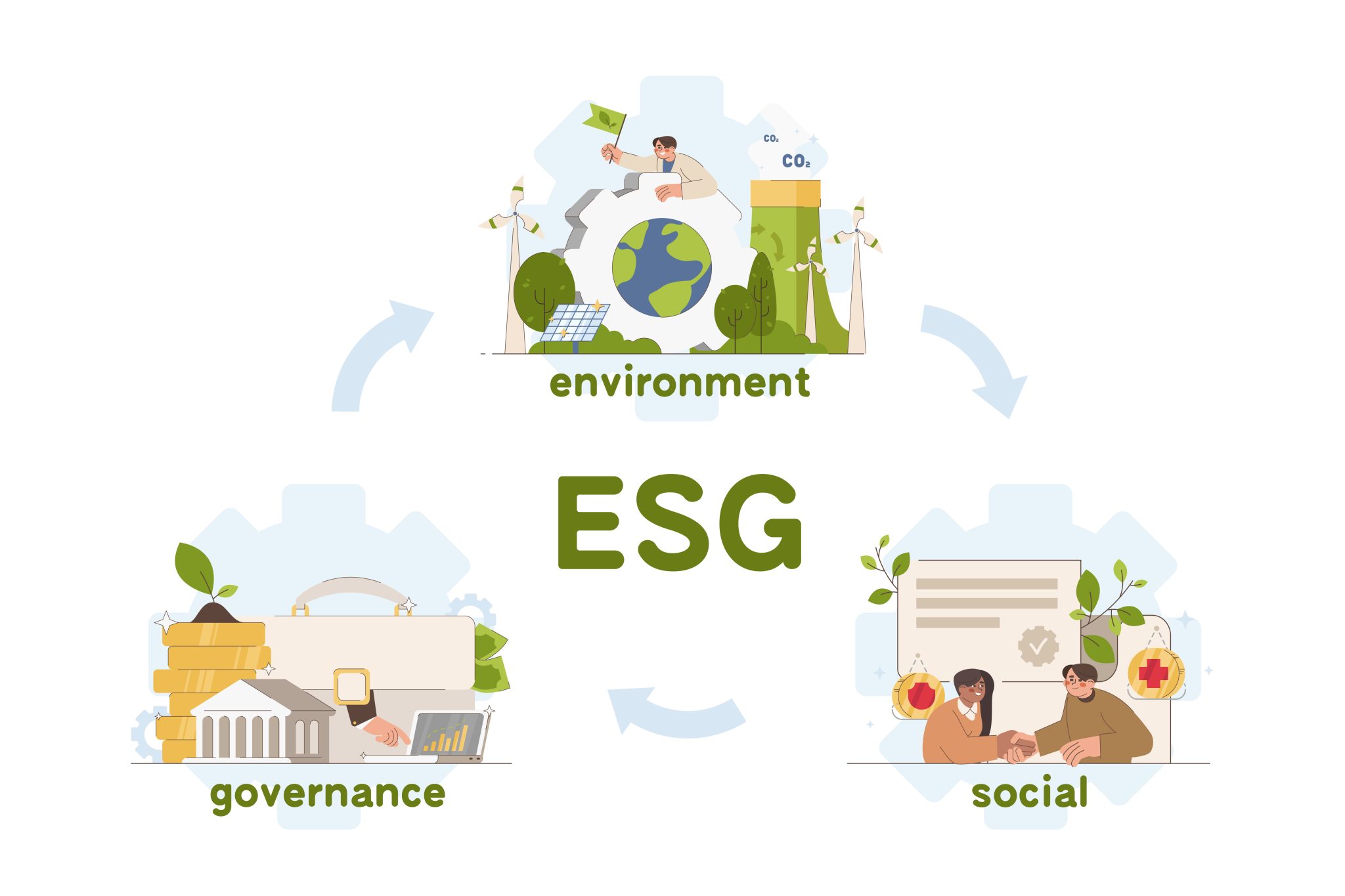
Integrating ESG (Environmental, Social, and Governance) criteria into private debt instruments has become a major issue for investors and companies. Investment funds and asset managers are increasingly attentive to the environmental and social impacts of the companies they finance, and are offering innovative solutions, such as green loans or social impact bonds, to meet the needs of businesses and the expectations of investors regarding sustainable development.

Future prospects and challenges
Impact of the current economic situation on the market
The current economic climate, marked by increased uncertainty linked to the Covid-19 pandemic, could impact the private debt market by increasing volatility and altering financing conditions. However, it could also enhance the attractiveness of this asset class for investors seeking returns and diversification .
Increased selectivity and importance of due diligence
Faced with the challenges and opportunities presented by rising private debt , investors and asset managers will need to be selective and rigorous in their due diligence processes to identify the best opportunities and manage risks . Skills in financial analysis, risk management, and financing structuring will therefore be essential.
The rise in private debt is opening up new opportunities for businesses, investors, and financial professionals. Vauban Executive Search, as a specialist recruitment firm , can assist you in finding and integrating financial talent to help you make the most of this new era of financing.


![Remote work: Is there no going back? [Les Echos Capital Finance]](https://www.vauban-es.com/wp-content/uploads/2026/01/chasse-de-tetes-fonds-private-equity-300x196.jpg)